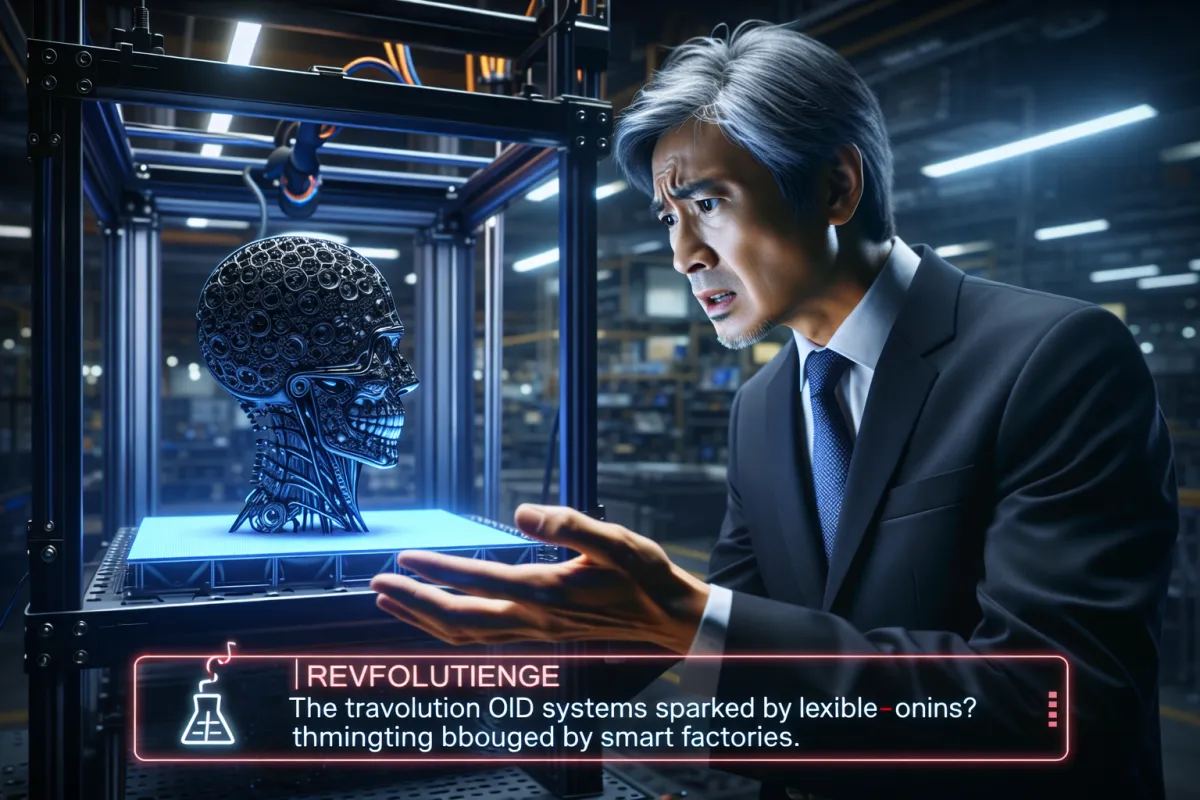
Flexible Automation Systems: Revolutionizing Manufacturing
Smart Factories Win with Flexible Automation
In the world of manufacturing, the ability to pivot quickly can be the difference between success and stagnation. Yet, many manufacturers remain tethered to rigid systems that stifle innovation and slow down response times. The solution? Embracing flexible automation that allows manufacturers to adapt swiftly and efficiently to market demands.
Rigid systems are the silent killers of manufacturing agility. They create bottlenecks, limit scalability, and force businesses into a reactive stance. Imagine a production line that can’t adjust to a sudden change in consumer demand or a supply chain disruption. The cost of inflexibility is not just lost revenue but also missed opportunities for growth.
Flexible automation, on the other hand, empowers manufacturers to reconfigure operations on the fly. This adaptability is not just a competitive advantage; it's an operational necessity. By integrating AI automation systems for small businesses, manufacturers can streamline processes, reduce downtime, and enhance overall efficiency. This isn’t just theory; it’s a practical shift that’s transforming the industry.
Where do businesses often go wrong? They misdiagnose the problem as a need for more technology rather than better systems. They pile on new tools without a coherent strategy, leading to bloated tech stacks and fragile automations that crumble under pressure. The real issue lies in the lack of a systems-first approach that prioritizes flexibility and scalability.
The hidden operational cost of staying manual or fragmented is staggering. It’s not just about the immediate inefficiencies but the long-term erosion of competitive edge. Businesses must recognize the value of a cohesive, flexible automation strategy that aligns with their operational goals.
When systems are redesigned properly, the shift is profound. Manufacturers move from being reactive to proactive, from managing chaos to orchestrating seamless operations. They gain the ability to innovate, scale, and thrive in an ever-changing market landscape.
The next step for manufacturers is clear: embrace AI automation systems for small businesses. This strategic move not only enhances operational efficiency but also positions businesses for sustainable growth. For those ready to transform their operations, exploring how IVM can integrate these systems into your business is the logical next step.
Conclusion
In a world where change is the only constant, manufacturers must choose between staying rigid or becoming resilient. The path to resilience is paved with flexible automation that empowers businesses to adapt, innovate, and lead. It’s time to rethink your systems and unlock the potential of your operations.
CTA
Ready to transform your manufacturing operations with flexible automation? Discover how IVM’s AI automation systems for small businesses can drive your business forward. Visit [https://go-ivm.com/post/AI-Automation-for-Small-Businesses](https://go-ivm.com/post/AI-Automation-for-Small-Businesses) to learn more.