AI Predictive Maintenance: Enhancing Manufacturing Uptime
Manufacturing Humans Overwhelmed by Equipment Monitoring Failures
In the fast-paced world of manufacturing, the pressure to maintain operational efficiency is relentless. Yet, many companies find themselves struggling, not due to a lack of resources, but because their human workforce is overwhelmed by the demands of equipment monitoring. This bottleneck is not just a minor inconvenience; it's a significant threat to productivity and profitability. The solution? Integrating AI and IoT technologies to ensure real-time equipment monitoring and predictive maintenance.
The Human Limitation in Equipment Monitoring
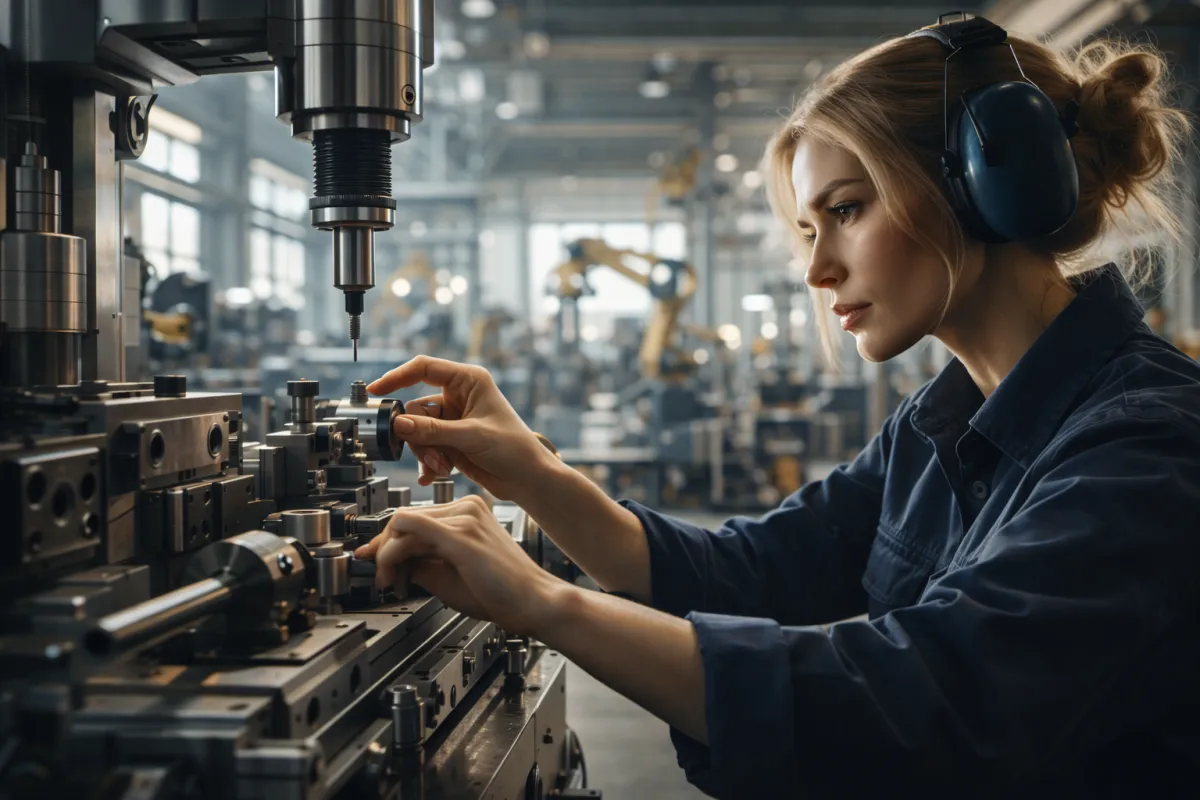
Manual oversight has long been the backbone of equipment monitoring in manufacturing. However, as production lines become more complex and the demand for efficiency increases, human operators are stretched thin. They simply cannot match the real-time needs of modern equipment. This gap leads to increased downtime, maintenance delays, and ultimately, a dip in production quality. In a world where time is money, these inefficiencies can cost companies dearly.
Enter AI and IoT: The New Guardians of Efficiency
The surge in AI agents and IoT sensors offers a promising solution. These technologies provide the real-time data and predictive insights that human operators cannot. By leveraging AI automation systems for small businesses, manufacturers can preempt equipment failures, reduce downtime, and significantly boost uptime. For example, AI-driven predictive maintenance can anticipate when a machine is likely to fail, allowing for timely interventions that prevent costly breakdowns.
Layering AI into Operational Workflows
For CEOs and operations managers, the challenge is not just adopting these technologies, but integrating them seamlessly into existing workflows. This is where platforms like DotAi-style sensors come into play. By embedding these sensors into operational workflows via tools like Make, companies can ensure that data flows seamlessly into their CRM systems, eliminating data silos and enhancing decision-making capabilities. This integration can lead to a 58% increase in uptime, a significant improvement that directly impacts the bottom line.
Real-World Examples of AI and IoT Success
Consider a mid-sized manufacturing firm that adopted AI automation systems for small businesses. By integrating IoT sensors across their production line, they achieved real-time monitoring and predictive maintenance. The result? A 40% reduction in unexpected equipment failures and a 25% increase in overall productivity. Another example is a large-scale manufacturer that used AI agents to optimize their supply chain, reducing lead times by 30% and cutting costs by 15%.
The Future of Manufacturing: A Seamless Blend of Human and Machine
The future of manufacturing lies in the harmonious integration of human expertise and machine efficiency. As AI and IoT technologies continue to evolve, they will not replace human workers but will augment their capabilities. This synergy will enable manufacturers to operate at unprecedented levels of efficiency and innovation.
Conclusion
The era of manual equipment monitoring is fading, giving way to a new age of AI-driven efficiency. By embracing AI and IoT technologies, manufacturers can overcome the limitations of human oversight and unlock new levels of productivity and profitability. The key is in the seamless integration of these technologies into existing workflows, ensuring that data flows freely and decisions are informed by real-time insights.
CTA
Ready to transform your manufacturing operations with AI and IoT? Discover how our systems can help you achieve seamless integration and boost your uptime by 58%. Visit [AI Automation for Small Businesses](https://go-ivm.com/post/AI-Automation-for-Small-Businesses) to learn more about how we can help you stay ahead of the curve.