AI-Driven Operational Efficiency in Modern Enterprises
From Chatbots to Robots: The Next Frontier in AI Systems
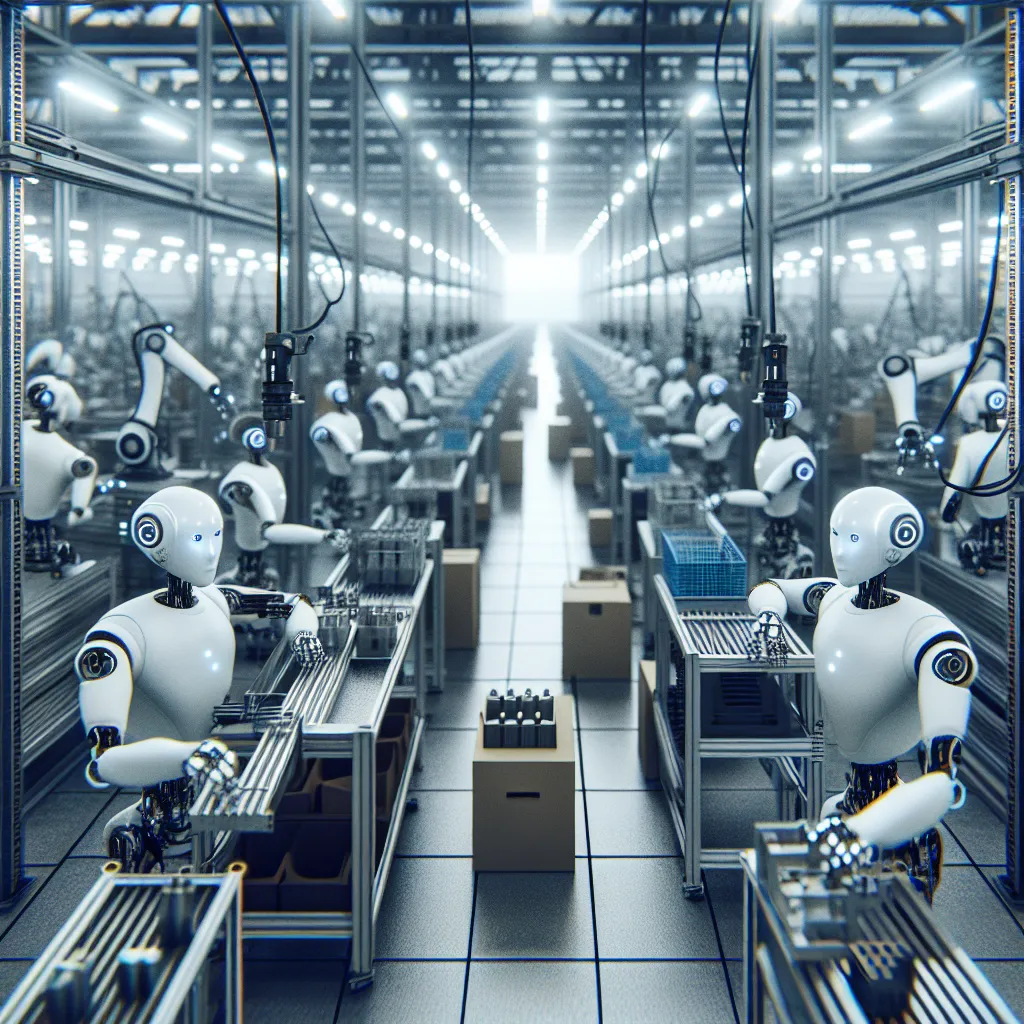
The evolution from chatbots to robots is not just a technological leap; it's a paradigm shift in operational efficiency and business strategy. As creators and industries delve into the implications of physical AI, the conversation is pivoting towards the tangible impact of robots in workflows. Imagine a warehouse where robots slash labor costs by 50%, seamlessly integrating into agentic chains to optimize operations. This isn't just a prediction; it's an unfolding reality that demands attention.
The Rise of Physical AI
AI has long been a buzzword in the tech industry, but its physical manifestation in the form of robots is where the real transformation begins. According to Epoch data, the rollout of physical AI is accelerating, sparking debates about its role in various sectors. Businesses are no longer asking if they should adopt AI but how quickly they can integrate these systems to maintain competitive advantage. With AI marketing and automation (https://go-ivm.com/) becoming more sophisticated, companies are leveraging these tools to streamline operations and enhance productivity.
Operational Leverage Through Robotics
Incorporating robotics into business operations offers unprecedented leverage. Consider the logistics industry, where robots are revolutionizing warehouse management by performing tasks that were once labor-intensive. This shift not only reduces costs but also enhances accuracy and speed. The COREI System (https://go-ivm.com/corei) exemplifies how AI-driven outreach can complement these physical systems, creating a cohesive strategy that maximizes efficiency.
Real-World Impact and Case Studies
Real-world examples abound of companies successfully integrating robots into their operations. Amazon's use of Kiva robots in their warehouses is a prime example of how automation can drive significant cost savings and operational efficiency. These robots have reduced the time taken to fulfill orders, directly impacting the bottom line. Similarly, AI marketing services (https://go-ivm.com/services) are helping businesses automate customer interactions, allowing human resources to focus on more strategic tasks.
Challenges and Considerations
While the benefits are clear, the transition to robotic systems is not without challenges. Businesses must consider the initial investment costs, potential disruptions during implementation, and the need for ongoing maintenance and updates. Moreover, there's a growing need for skilled personnel who can manage and maintain these advanced systems. Companies focusing on scalable growth must weigh these factors carefully to ensure a smooth transition.
The Future of AI in Business
As we look to the future, the integration of AI and robotics will only deepen. Businesses that embrace these technologies will find themselves at the forefront of innovation, able to respond to market changes with agility and foresight. The marketing insights (https://go-ivm.com/blog) available today provide a roadmap for those ready to embark on this journey, offering strategies and insights to navigate the complexities of AI adoption.
Conclusion
The shift from chatbots to robots represents more than just technological advancement; it's a strategic imperative for businesses aiming to thrive in a rapidly evolving landscape. By understanding and leveraging the power of physical AI, companies can unlock new levels of efficiency and innovation.
Take Action with IVM
Ready to explore how AI can transform your business operations? Discover how IVM's systems and services can provide the leverage you need to stay ahead. Contact us today (https://go-ivm.com/contact) to learn more.